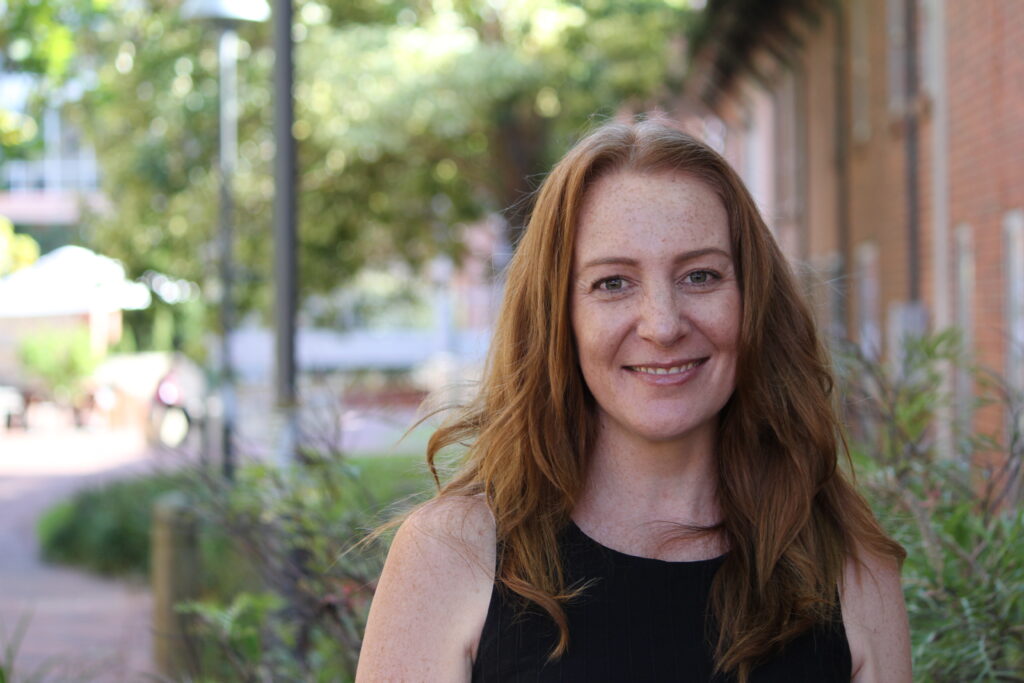
What I Wish I’d Known Before My ADHD & Autism Diagnosis
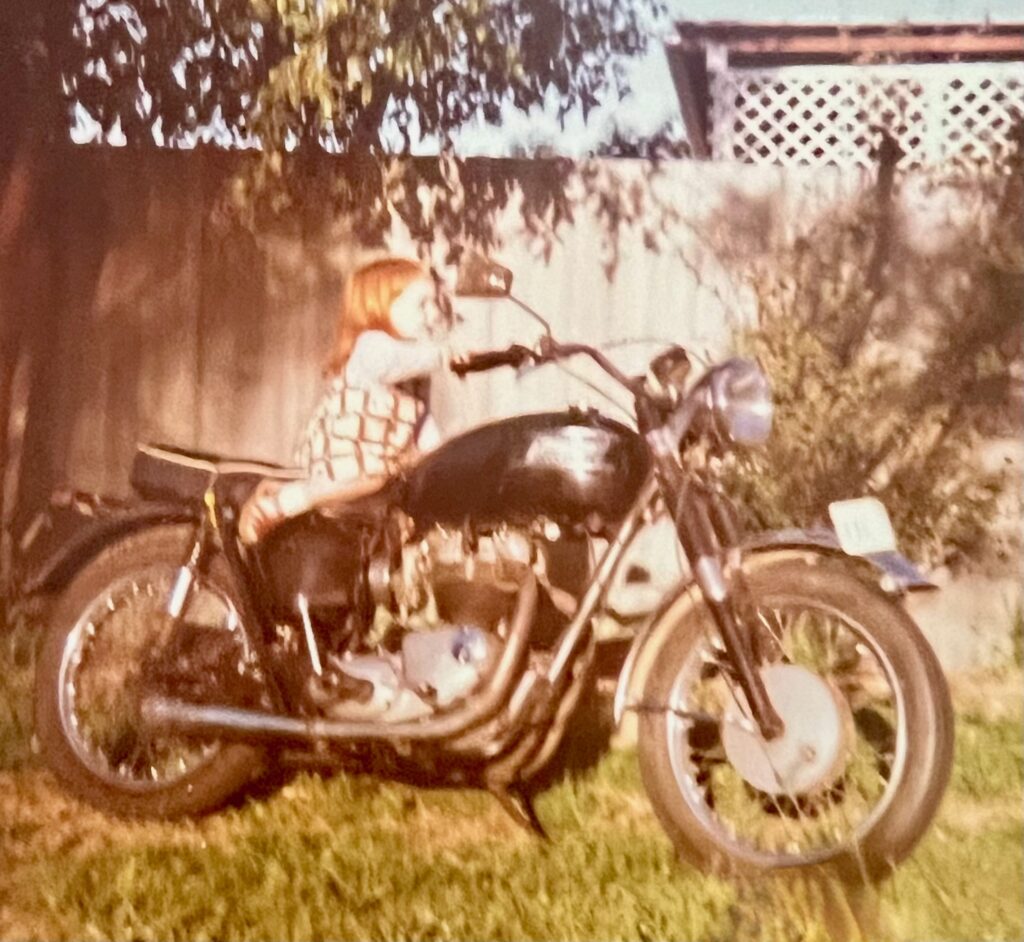
Some stories take years to make sense — mine started to fall into place at 45.
For most of my life, I thought I was just a bit of an anxious mess. A little (or a lot) sensitive. Someone who never quite fit in but kept trying anyway. And lost.
Wanting to do all the things — but ending up overwhelmed, exhausted, and wondering why everything felt hard. How did others manage to function and look so put-together?
I was always running on empty (or fumes, really…). And I had so many feelings all the time.
When I was diagnosed with ADHD and autism (AuDHD) at 45, it was like someone had lifted back a curtain.
It turns out, I wasn’t broken. My brain (and body, to be honest) just worked differently — beautifully, chaotically, sometimes brilliantly, mostly exhaustingly, and sometimes just bafflingly!

Behind the Curtain
From the outside, I looked fairly successful. But behind the curtain, I was working twice as hard to maintain that illusion.
Every day was a game of mental logistics — keeping track of my keys, planning driving routes with built-in buffer time, not losing my laptop, managing the overwhelm that came with something as simple as running errands… and remembering to eat.
It wasn’t that I lacked discipline. I was managing executive dysfunction, anxiety, sensory overload, and trauma — all without knowing their names.
I was also heavily masking — after years of experience, conditioning, and messaging that told me to hide the real me.
I didn’t realise how much energy that took until I started to unmask… and finally felt how deeply exhausting it had been.
Before I Knew
Looking back, the signs were there; they were just hidden really well.
The endless lists. The constant mental noise.
The way I could be laser-focused on one thing for hours, but unable to start a “simple” task.
How I could lead complex multi-million dollar projects with confidence — but melt down from a sudden change in plans or too many competing priorities.
How much time, energy and effort I put into just getting somewhere while feeling riddled with anxiety – even if I knew the person I was meeting or had been there before.
At the time, I chalked it up to stress, sensitivity, anxiety, or not being able to handle stress. I thought if I worked harder, organised better, took antidepressants, or learned the next life hack, I could fix myself.
Spoiler: you can’t out-plan your neurology.
Diagnosis & Relief
For years, I believed that:
Getting my ADHD and autism diagnoses at 45 was equal parts grief and relief.
Grief for the years I’d spent feeling broken, for all the times I pushed past exhaustion, for the masking and fawning I didn’t even know I was doing.
And relief — because finally, things made more sense.
It was the first time I could look back on my life with compassion instead of criticism.
The Sensory Story
One of the biggest light-bulb moments was realising how deeply sensory experiences affect me.
The panic I felt in crowded shopping centres.
The way fluorescent lights, office chatter, and background radios made me feel like I was vibrating from the inside out.
The relief of soft fabrics, flowy pants, fluffy blankets, and buying the same top in five colours because comfort matters.
These weren’t quirks — they were my body’s way of saying, “This comforts and feels safe to me.”
Understanding my sensory needs has been one of the most life-changing parts of unmasking and finding peace.
Here are a few things I wish I’d known sooner
✨ Productivity doesn’t have to hurt. It’s about learning when you work best, how your energy ebbs and flows, and finding something sustainable (with the occasional 200% hyperfocus burst).
✨ Rest, structure, silence, and downtime aren’t indulgent — they’re essential.
✨ And equally, there’s nothing wrong with craving diversity, spontaneity, loud music, and freedom.
✨ Just because you’re good at something doesn’t mean it’s good for you.
✨ The right people won’t think you’re “too much.” They’ll get you.
✨ My brain works differently — and that doing things differently is where the magic is. Systems, good boundaries and the right degree of structure can support freedom — not stifle it.
✨ Sensory experiences are real and powerful — and honoring them isn’t indulgent, it’s essential.
Working With (Not Against) Your Brain
These days, I help other late-diagnosed ADHD and AuDHD adults do the same — learning how to build lives and work patterns that honour their brains, rather than fighting against them.
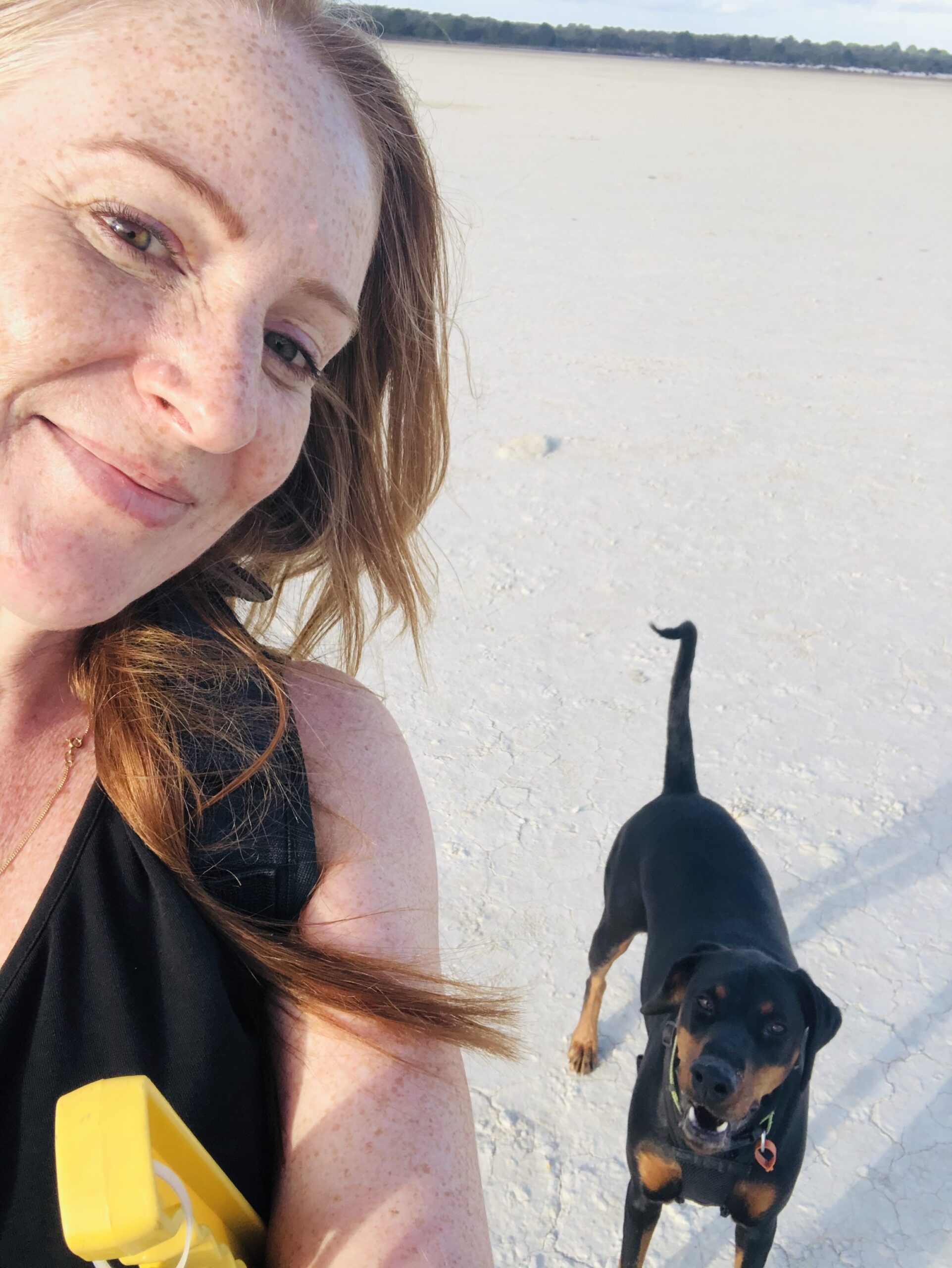
There’s a lot of compassion, curiosity, and laughter involved — sometimes a few tears — and always the occasional Freya-approved nose bump 🐾.
If you’re somewhere on that path — discovering, processing, learning to unmask safely, or just trying to make sense of it all — you’re not alone.
I see you.
If you’d like to explore what working with your brain might look like, you can book a free exploratory chat here or learn more about ADHD & AuDHD coaching here.