I don’t do New Year’s resolutions.
It’s not because I don’t care about growth, achieving things or change — it’s because, for me, resolutions have almost always been rooted in pressure and pushing.
They tend to assume unlimited energy, consistent motivation, and a nervous system that can tolerate being pushed.
That hasn’t been my lived experience.
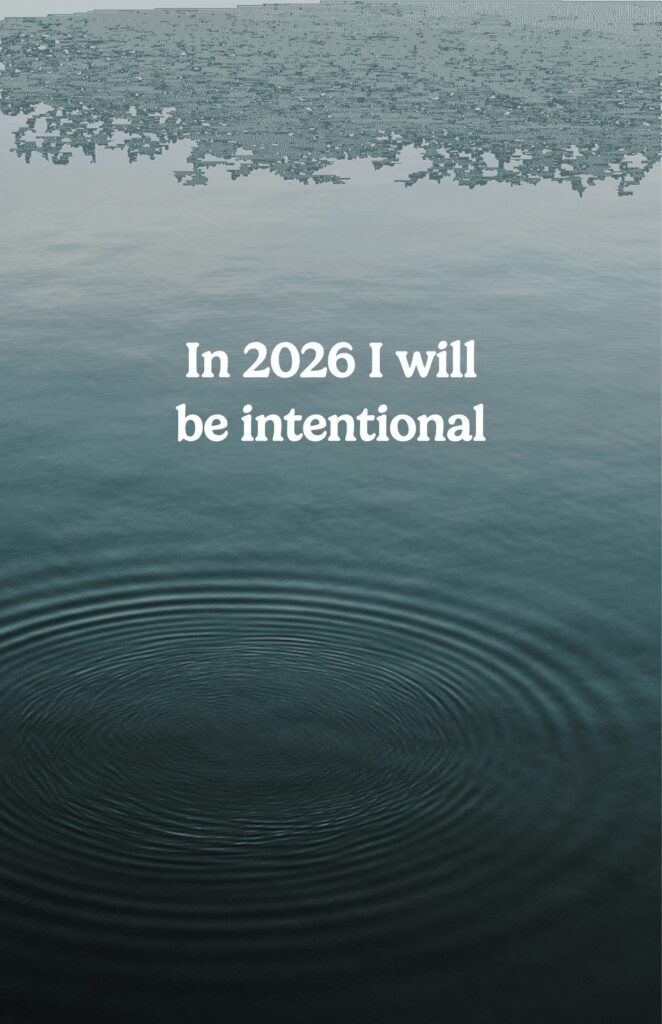
This year, instead of resolutions, I set one overarching intention:
To be more intentional.
Not in a performative or productivity-driven way. But in a listening way.
Why intention feels different (and more sustainable)
Resolutions usually focus on outcomes:
- what you’ll achieve
- what you’ll improve
- what you’ll finally “fix”
- when you will do it by, within the next 12 months.
You see, there’s pressure there already!
Intentions focus on how you want to live.
They create a lens you can return to when energy fluctuates, life intervenes, or plans need to change. For ADHD and AuDHD brains — and for anyone caught in the burnout cycle or recovering from burnout — that flexibility matters.
Intentions leave room for capacity. Resolutions rarely do.
What being “more intentional” looks like
Over the break, I spent time reflecting on how I ended last year — not just what I did, but how I felt.
Tired. Proud. Stretched. Tender and a little brittle.
That reflection shaped how I approached planning for this year. Rather than mapping out everything I should do, I focused on how I want to be.
Being more intentional has meant:
- planning the year in quarters — asking “what does the next three months need?” rather than “how do I optimise the year?”
- scheduling rest, leave, and space first, because if it’s not in the calendar, it usually doesn’t happen
- having clear conversations about time off and priorities (including finally booking a long-awaited Japan trip in May)
- saying no earlier — and with less justification
This isn’t about doing less for the sake of it. It’s about doing things with awareness.
What I’m deliberately not doing
Part of intention-setting is naming what you’re choosing not to push.
This year, I’m being intentional about:
- not overriding my body when it’s asking for rest
- not saying yes out of habit or guilt
- not clinging to routines that no longer fit (goodbye, gym membership and the shame that came with it)
- not treating health as something to “work around” rather than prioritise
Letting go of things can feel uncomfortable — especially for ADHD/AuDHD adults who are used to trying harder to make things work. But sometimes, sustainability comes from subtraction, not addition.
Small, ordinary moments matter
Some of the most meaningful parts of this intention have shown up quietly.
On my first day back at work, I took half an hour for gentle yoga and stretching before opening my laptop. My neck and jaw softened. My body felt more settled. It changed the tone of the entire day.
I bought a six-month planner instead of demanding a full year of certainty from myself (and the guilt that would inevitably come when I forgot about it halfway through).
I allowed myself to rest through a sinus infection — even when my brain tried to convince me that housework would be a “better use” of my time.
And after a late-night trip to pet emergency with Freya (she’s okay), I was reminded — again — that presence, pacing, and care matter more than productivity.
Why this matters for ADHD & AuDHD adults
Living with ADHD or AuDHD often means navigating fluctuating energy, sensory load, emotional intensity, and periods of burnout. Traditional goal-setting frameworks don’t account for this.
Intentions offer something different:
- permission to adapt
- a way to check in rather than push through
- language that supports nervous system regulation
- a reminder that capacity is not a moral failing
This isn’t about lowering standards. It’s about setting standards that don’t cost you your health.

If you’re starting the year tired
You’re not behind.
You don’t need a resolution.
You don’t need a complete plan.
And you don’t need to reinvent yourself.
You might just need an intention that feels steady, kind, and realistic — one you can return to when things feel messy, overwhelming or you feel a little lost.
For me, that intention is being more intentional.
And I’ll keep coming back to it this year, one choice at a time.
—
If you’d like support navigating intention-setting, pacing, or sustainable ways of living and working with ADHD or AuDHD, you’re welcome to explore coaching with me. We start where you are at right now.
Frequently Asked Questions
Q: What’s the difference between intention-setting and New Year’s resolutions?
A: New Year’s resolutions tend to focus on goal setting, outcomes and self-improvement, often assuming you will have consistent energy and motivation. Intention-setting focuses on how you want to live — allowing for flexibility, capacity changes, and real life.
Q: Why don’t New Year’s resolutions work well for ADHD and AuDHD adults?
A: Many resolutions rely on rigid routines, sustained motivation, longer term goals and planning, and pushing through discomfort. ADHD and AuDHD adults often experience fluctuating energy, sensory load, motivation and burnout, which can make intention-based and shorter-time framed approaches more sustainable.
Q: How do I set intentions if I’m already burnt out?
A: Start small. Intentions don’t need to be goals. They can be words, values, or ways of being — such as pacing, rest, or listening to your body. The intention should support recovery, not demand performance.
Q: Is intention-setting just “doing less”?
A: Not necessarily. Intention-setting isn’t about lowering standards and expectations — it’s about setting standards that respect your capacity and nervous system, so you can engage with life in a sustainable way.
Q: Can intention-setting help with ADHD burnout recovery?
A: Yes. Intention-setting can create space for reflection, adaptation, and nervous system regulation, all of which are important for recovering from burnout and preventing future cycles.